
PCR Wound Analysis

Precision Microbiology for Wound Care
Powered by Modern PCR Technology
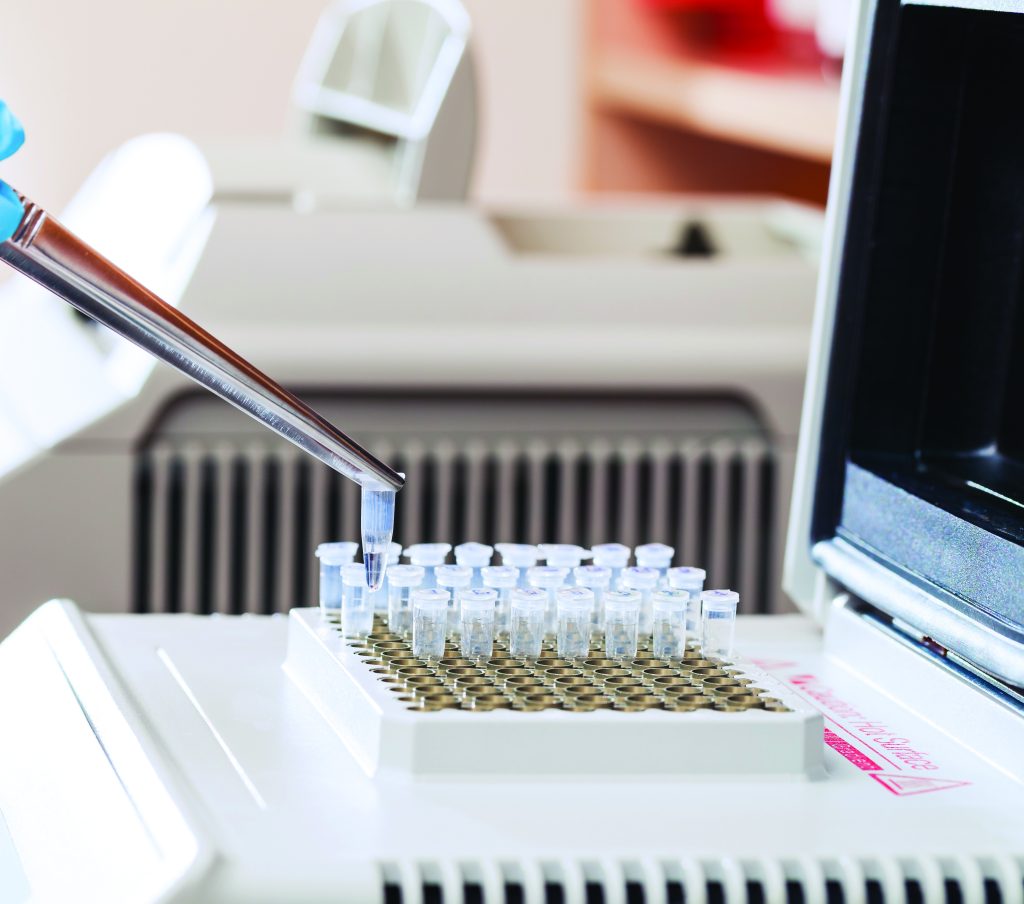
Sagis is committed to providing unparalleled precision and detail in its lab reports, surpassing the capabilities of traditional methods. Our advanced PCR technology allows us to identify the specific pathogens responsible for infections with unmatched accuracy. Moreover, we take into account underlying factors that may contribute to treatment resistance, ensuring comprehensive and personalized treatment plans for each patient. By leveraging this level of detail, we maximize the chances of a successful outcome, giving patients the best possible care.
Unmatched Precision
Forefront of Molecular Testing
Advanced molecular insights
Wound PCR Analysis Explained
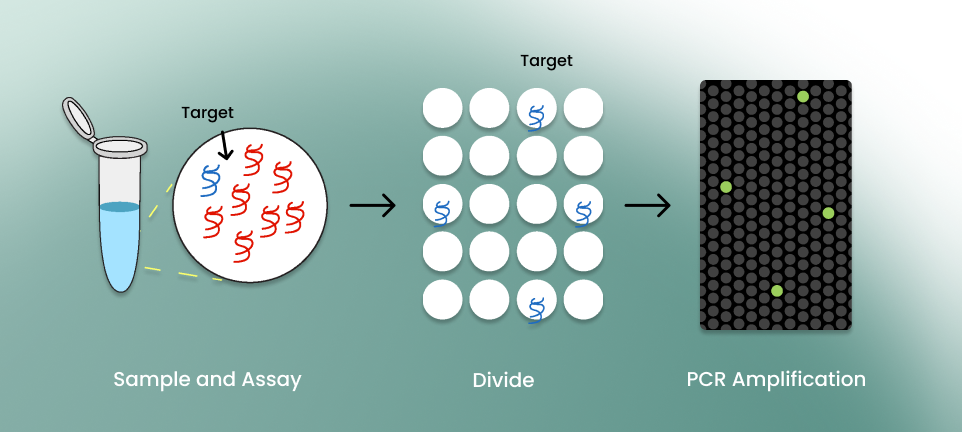
qPCR (quantitative Polymerase Chain Reaction) testing is a molecular diagnostic technique that can detect presence of bacteria in a wound sample. The test involves using specific primers and probes that target the DNA of the bacteria of interest, such as Staphylococcus aureus. The DNA is amplified through multiple cycles of heating and cooling, and the DNA present is detected in real-time using fluorescent dyes. This allows for accurate and sensitive detection of bacteria in the wound sample, which can be useful for wound analysis and management.
Published Research Articles

Research Article
ΔCt-informed, calibrated logistic regression accurately attributes mecA in Staphylococcus aureus-positive wound specimens
Published by Mehdi Dehghani, PhD, Laboratory Director and CSO, Molecular Diagnostics
Published Clinical Findings at a Glance
- Panel-based PCR reliably detects S. aureus and mecA across polymicrobial wound specimens
- Post-analytic attribution layer probabilistically disambiguates mecA source without additional instrumentation
- Cycle-threshold data within a biologically gated logistic framework enables transparent, auditable MRSA/MSSA attribution
- Accurate attribution reduces biologically implausible MRSA calls while preserving detection of probable MRSA
Dehghani M, Norouzi H, Dehghan S, Lee KH, Martin HL. 2026. ΔCt-informed, calibrated logistic regression accurately attributes mecA in Staphylococcus aureus-positive wound specimens, Microbiol Spectr 0:e03230-25.
Research Article
Comparative diagnostic evaluation of real-time PCR and culture for detecting pathogens in podiatric wound infections
Published by Mehdi Dehghani, PhD, Laboratory Director and CSO, Molecular Diagnostics
Published Clinical Findings at a Glance
- 98.3% sensitivity, capturing key pathogens that culture missed
- Machine-learning validation confirming PCR findings (PPV ~95%)
- 96.9% specificity in an independent 77-case subset
- Detection of clinically important organisms hidden by culture subjectivity
Dehghani M, Norouzi H, Dehghan S,Spruill ML, Goodarzi M, Lee KH, Martin HL.0.Comparative diagnostic evaluation of real-time PCR and culture for detecting pathogens in podiatric wound infections. Microbiol Spectr0:e02649-25.
Testing for antibiotic resistance is important for several reasons:
Overall, testing for antibiotic resistance is essential for effective management of bacterial infections and preventing the spread of antibiotic-resistant bacteria.
Accurate treatment
Testing for antibiotic resistance helps healthcare providers choose the most effective antibiotic for treating a bacterial infection. If the bacterial strain is found to be resistant to a particular antibiotic, alternative treatment options can be explored. This ensures that patients receive the appropriate treatment and reduce the risk of treatment failure or recurrence.
Preventing the spread of resistance
Testing for antibiotic resistance can help to identify outbreaks of resistant bacteria and prevent their spread. It enables healthcare providers to take appropriate infection control measures, such as isolating infected patients and implementing appropriate disinfection protocols, to prevent the spread of resistant bacteria
Reducing unnecessary use of antibiotics
Testing for antibiotic resistance can also help to reduce the unnecessary use of antibiotics. It can help to avoid the use of broad-spectrum antibiotics that may be ineffective against resistant bacteria and increase the risk of side effects and complications.
Wound Collection Guide
Obtain, collect, label, and package samples
Procedure
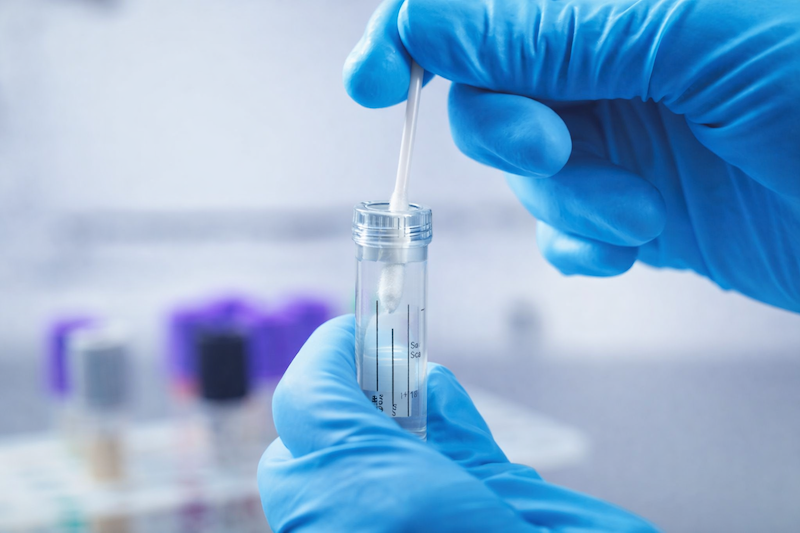
- Open sterile PCR transport kit containing transport medium and remove swab.
- If wound is dry, moisten tip of swab with transport fluid or sterile preservative-free saline. If wound is moist after cleaning, this step is not necessary.
- Without touching swab to surrounding wound edges or skin, rotate tip of swab over a 1 cm area of open wound for 5 seconds.
- Return swab to transport tube with medium. Snap off swab stick where marked and tightly seal tube for shipment before placing in biohazard bag.
Specifically for swab samples: send these to Sagis STAT due to specimen stability requirements.
Collection Tools

PCR Test or e-Swab

Biohazard Bag
Comes with an absorbent pad and a second pocket for the requisition form.
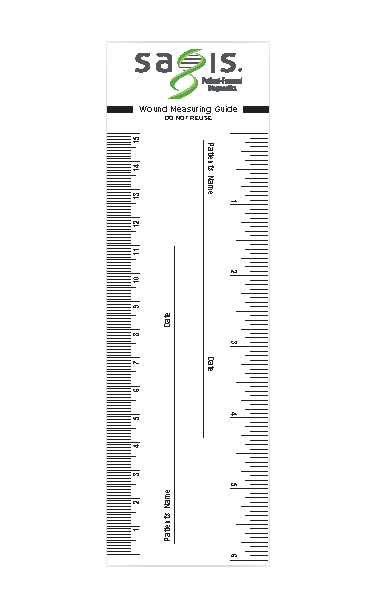
Wound Measuring Guide
Biopsy Collection
Wound/Lesion Swab
Although most lower extremity foot and leg ulcers may be venous, arterial, or neuropathic, patients presenting with a lower extremity nonhealing wound of long duration, which may not be responding to treatment (2 months or longer), should be considered for a wound biopsy (punch or curettage) procedure to determine the presence or absence of malignancy or inflammatory condition.
Ideally, two biopsies should be performed to include both the base of the ulcer (for malignancy) and the wound margin (for inflammatory causes).
Submitting a specimen
Submitting an E-swab for Wound PCR
Gain clear instructions on proper E-swab specimen handling for molecular wound PCR analysis. The video covers critical steps such as properly securing the specimen in the swab container, completing the requisition, and maintaining specimen stability for accurate results.